


The Difference Between Back Pain and Sciatica
March 2025 Newsletter

Have you been told your persistent lower back pain is really sciatica? Did you know specific signs and symptoms can clarify what condition you’re dealing with? Far too often, these terms are used interchangeably or, worse yet, inaccurately. Fortunately, at Rocky Mountain Physical Therapy, our skilled physical therapists can clear it up for you and set you on the right path to relief!
Back pain and sciatica can be confusing and even intimidating, especially when you’re not sure what’s causing your discomfort. Whether from a car accident, lifting something heavy, or seemingly out of nowhere, both back pain and sciatica seem to have similar causes and even share some symptoms.
That’s where physical therapy comes in. Physical therapy is highly effective for both conditions. It helps reduce pain, improves mobility, and, most importantly, tackles the underlying issues to prevent future discomfort. With a tailored treatment plan, you can get back to doing what you love, pain-free.

Understanding the Difference Between Back Pain and Sciatica
Back pain and sciatica are sometimes used interchangeably, but they’re not the same. Lower back pain is generally localized, affecting the lumbar region of the spine. It can arise from muscle strains, herniated discs, or prolonged poor posture.
Sciatica, on the other hand, is more specific and involves pain that travels along the sciatic nerve. This nerve starts in the lower back and runs through the hips and buttocks down to each leg. The pain you feel could be shooting, burning, or even tingling, and it usually affects just one side of your body. To be a “true” sciatica,” nerve symptoms must be felt in the leg (specifically below the knee).
Common Causes of Back Pain and Sciatica
- Lower Back Pain: In most cases, lower back pain is caused by factors such as muscle strain, herniated discs, degenerative disc disease, arthritis, and other conditions.
- Sciatica: Most commonly caused by a herniated disc, bone spur where the nerve exits the spine, or narrowing of the spine (spinal stenosis) compressing part of the nerve.
Classic Symptoms of Back Pain and Sciatica
- Lower Back Pain: May include stiffness, muscle spasms, and difficulty in moving.
- Sciatica: Must consist of symptoms along the nerve root in the leg and typically include numbness, tingling, or muscle weakness in the affected leg or foot, in addition to pain.
It’s crucial to know the difference between the two because the treatment approaches differ. For example, sciatica might require attention to nerve compression issues, while lower back pain could be more muscle-related.
So, if you’re tired of enduring persistent pain, take action and call to schedule an appointment with our spine experts. Let us help you understand your condition and guide you toward effective relief.

Our Approach to Assessment and Treatment at Rocky Mountain Physical Therapy
If you are experiencing back pain or sciatica, it’s time to take action. Working with our experienced therapists can help you understand what you are dealing with and, most importantly, how to resolve it once and for all!
Whether you come to our clinic with lower back pain or sciatica, we will perform a thorough physical examination and medical history to provide you with solutions that work based on the findings.
Education
Understanding what is going on and, more importantly, what you can do about it is one of the most effective solutions. Our physical therapists will make sure you have the information you need to be successful.
Targeted Exercises
Our exercise programs include mobility exercises, proper postural exercises, nerve mobilization, or strength exercises. Our physical therapists will tailor your workouts, monitor you, and progress based on your individual needs.
Manual Therapy
Manual therapies include a variety of methods, including joint mobilizations and manipulations that move one or more joints within normal ranges of motion to improve spinal joint motion or function.
Our physical therapists may also use soft tissue techniques like myofascial release, trigger point releases, and other methods to help alleviate pain and allow for more mobility and improved function.
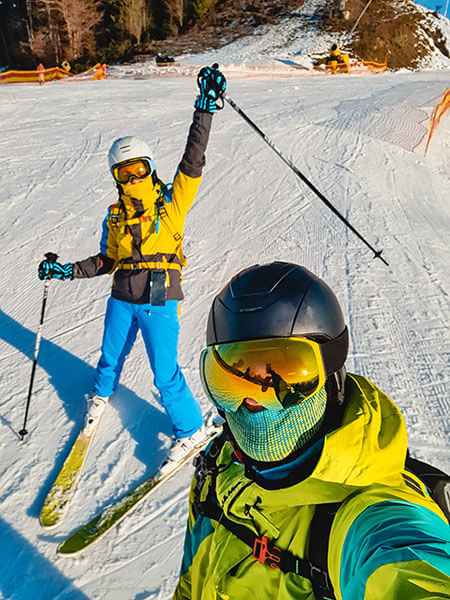
Your well-being is our top priority.
At Rocky Mountain Physical Therapy, we offer a proven approach to back pain and sciatica. Don’t let pain hold you back any longer. Contact us today and take the first step toward a pain-free life.
Patient Success Spotlight
“Highly recommend these energetic and kind therapists, Zach and Tyler. My father has been going to therapy twice a week after having a massive stroke. They helped him regain balance and strength through targeted exercises. He looks forward to going.”
—Jennifer G.
“Briana and Kristina are top notch. Eily, the admin/scheduler is a sweetheart going the extra mile too work with any schedule. This is my second time being a patient at RMPT and they are always professional, friendly, and super focused on great results. Their new facility is lovely, ample parking and is epuipped with everything you would expect at a first class PT practice. Highly recommend them!!”
—Leslie G.

5 Simple Tips For Shoveling Snow
Snow shoveling can lead to a number of health risks for many people, from back injuries to heart attacks. The following tips can help keep you safer when you set out to shovel:
1. Warm up. Warm your muscles before heading out to shovel by doing some light movements, such as bending side to side or walking in place.
2. Push rather than lift. Pushing the snow with the shovel instead of lifting can help reduce the strain on your body.
3. Lighten your load. Consider using a lighter-weight plastic shovel instead of a metal one to help decrease the weight being lifted.
4. Consider multiple trips. Consider shoveling periodically throughout the storm to avoid having to move large amounts of snow at once.
5. Keep up with snowfall. Try to shovel snow shortly after it falls, when it is lighter and fluffier. The longer snow stays on the ground, the wetter it can become. Wet snow is heavier and harder to move.
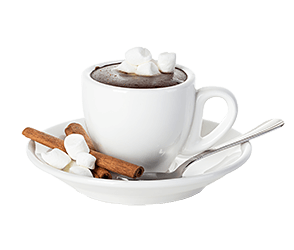
Be sure to reward yourself when you’re done!

Feel Better by Eating Better!
Slow Cooker White Chicken Chili
This Crockpot White Chicken Chili offers comfort and satisfaction, courtesy of its creamy texture and healthy ingredients. The slow cooker keeps it breezy and hands-free!
Place chicken in the bottom of a 6-quart or larger slow cooker. Add the chicken broth, white beans, green chiles, garlic, onion, cumin, oregano, salt, and cayenne. Stir to combine. Cover and cook on low for 4 to 6 hours or high for 2 to 4 hours, or until the chicken is cooked through. Remove the chicken breasts to a plate. Once cool enough to handle, shred and set aside.
With an immersion blender, puree a portion of the chili to thicken it, leaving some of the beans whole. (If you don’t have an immersion blender, you can instead transfer a few ladlefuls of the chili to a food processor or blender and pulse roughly, then return back into the chili.)
Stir in the shredded chicken and cilantro. Portion into bowls and top with a squeeze of fresh lime juice. Add any other desired toppings and enjoy.
Ingredients
- 1 1/4 lbs. boneless skinless chicken breasts (2-3 breasts)
- 4 cups low-sodium chicken stock
- 2 (15-oz) cans reduced-sodium white beans such as white kidney, navy, cannellini, or Great Northern beans, rinsed and drained
- 2 (4.5-ounce) cans diced green chiles
- 3 cloves garlic minced
- 1 small yellow onion (or 1/2 large) finely diced
- 2 teaspoons ground cumin
- 1 teaspoon dried oregano
- 1/2 teaspoon kosher salt
- 1/4 teaspoon cayenne pepper
- 1/4 cup chopped fresh cilantro
- Fresh lime wedges
Exercise of the Month
Seated Sciatic Nerve Tensioner
3 Sets, 10 Reps, 0 Hold
Sit in a chair with one foot flat on the ground and the foot on the side you want to work flexed with your toes pointing towards your face. Lift one lower leg by lightly contracting the upper thigh while simultaneously lowering your head, slowly tucking your chin towards your chest and exhaling. Slowly return to start.


Meet Our Staff

Dr. Jennifer Bruer Vandeweert
PT, DPT • Regional Director • Clinical Director of Loveland-Orchards

Jamie Schiess
PTA • Manager of Clinical Operations

Julie Swanson
Practice Manager

Aili Breda
Patient Care Coordinator

Brilee Nightengale
Patient Care Coordinator

Christina Skinner
PTA, Clinic Director of Windsor
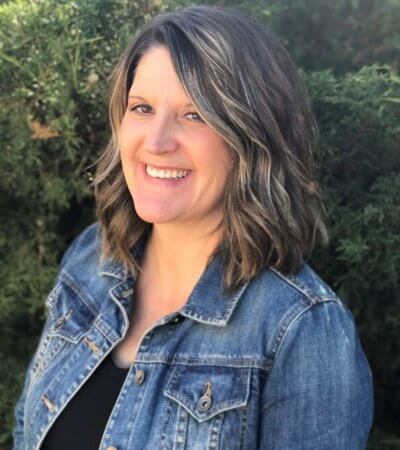
Brandi Thompson
Patient Care Coordinator

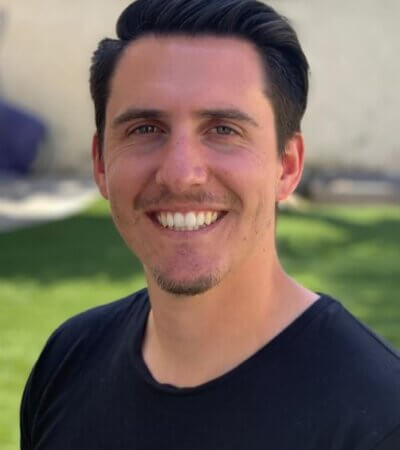
Dr. Tyler Shandra
PT, DPT, CSCS • Clinic Director of South Fort Collins

Dr. Emily Derrera
PT, DPT • Clinic Director of Greeley

Dr. Ian Davis
PT, DPT
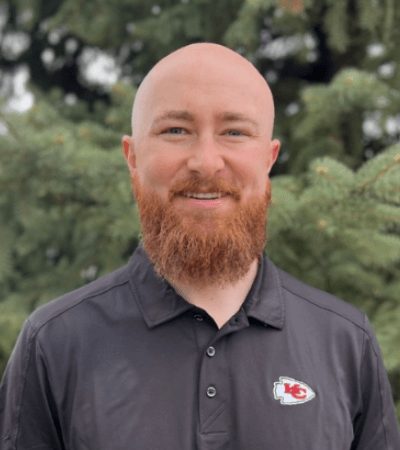
Dr. Connor Hughes
PT, DPT Clinical Director of Central Fort Collins

Nicolette Williams
Patient Care Coordinator

Dr. Amanda Slattery
PT, DPT
Let’s Get You Better ASAP!
Don’t let pain dictate your life. Take the first step towards reclaiming your mobility and well-being with our expert support. Start your journey to a healthier you today.