

How Physical Therapy Tackles Hip Pain
January 2026 Newsletter
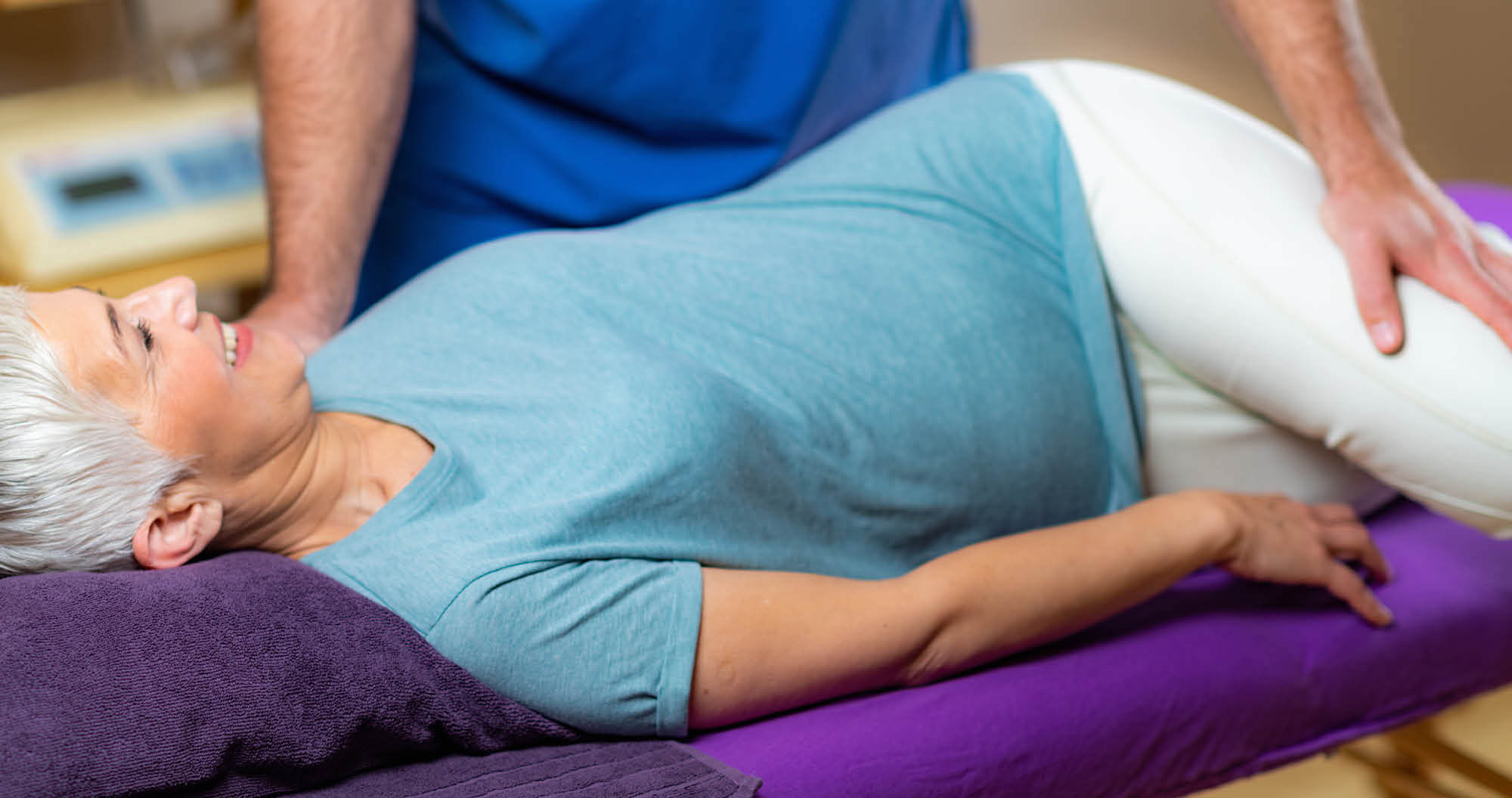
You want to take care of some chores or go for a walk — but hip pain is keeping you on the couch. If this sounds familiar, know that you don’t have to suffer! At Rocky Mountain Physical Therapy, our physical therapists will guide you through a simple process to address your hip pain so you can get active again.
This newsletter will take you through that process, from understanding your symptoms to the outcomes you can expect from physical therapy. Still have questions? Call us to schedule an appointment!
Pinpoint Your Symptoms
There are several potential reasons why someone might develop hip pain. To treat your pain effectively, we need to pinpoint what that cause could be.
When you visit us for your initial appointment, one of the first things we’ll do is ask you to share your symptoms. “Hip pain” often causes a lot more than just pain, and being able to describe your pain, mobility limitations, and other concerns helps us get a clearer picture of your condition.
For example, you know that your hip hurts. But when do you experience pain (i.e., during activity)? Does your pain come and go? Where do you experience pain? Is it just in your hip, or do you feel it elsewhere? Is the pain a dull ache? Sharp and shooting?
Make sure to share additional symptoms you might be experiencing, too. Here are some common ones:
- Stiffness/limited range of motion in your hip
- Weakness throughout the lower extremities
- Mobility issues, including walking, going up or down stairs, or struggling to stand up
- Difficulty performing everyday tasks, such as putting on your shoes — and let us know which ones
Identify a Cause and Develop a Treatment Plan
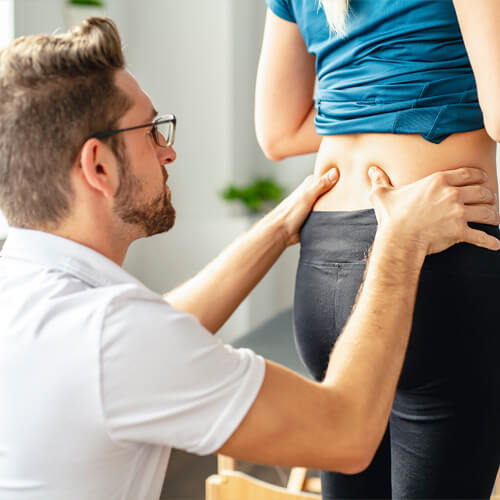
Thanks to your detailed symptom description — as well as a health history and comprehensive physical exam — your therapist should be able to determine the underlying cause of your hip pain.
If you’re 55 or older, there’s a good chance your hip pain stems from osteoarthritis. This degenerative condition causes cartilage and bone tissue to break down, leading to pain and restricted mobility.
However, hip pain can also stem from an injury. If you’re an athlete or particularly active person, you may have suffered an acute injury, such as a labral tear, in which a ring of cartilage in the hip socket becomes damaged. You may have also sprained your hip — that is, damaged the ligaments that hold the joint together.
However, even if you haven’t had an obvious injury, an injury could still be to blame. Overuse injuries are injuries that develop gradually and, in the hip, generally affect the soft tissue — your muscles, tendons, and ligaments. They usually occur due to repetitive movements or improper biomechanics.
Your treatment plan will vary based on the underlying cause of your pain, but in most cases, we aim to…
- Help manage acute pain with manual therapy, modalities, or gentle stretches.
- Improve mobility and range of motion through targeted stretches and exercises.
- Build strength in the muscles surrounding the hip to support the joint.
- Restore your ability to perform everyday movements, such as going upstairs — and for the athletes, we’ll help restore your ability to perform sport-specific movements.
Understand Your Outcomes
As with treatments, your exact outcomes will vary based on the underlying cause. However, other factors can come into play, too, such as age, health status, and the amount of time you can spend with physical therapy (whether in the clinic or performing home exercise programs).
For example, osteoarthritis has no cure, but you can manage your symptoms with regular physical activity. If you stick with your prescribed exercise program, you can minimize pain, slow the progression of your condition, and delay or even avoid surgery.
If you suffered an injury, you likely will be able to resolve your hip pain, usually within 1-3 months. However, if your injury was severe, full rehabilitation — the point at which you’ve fully restored strength and function — may take longer. Continuing any prescribed exercises is important even if you no longer feel pain.
Start Your Own Journey to Hip Pain Relief Today
No matter the reason for your hip pain, the physical therapists at Rocky Mountain Physical Therapy will guide you toward lasting relief. Call us today to schedule an appointment to get started!

Patient Success Spotlight

“These are the most knowledgeable and helpful physical therapists that I have ever worked with, and I have worked with a lot! Everyone is welcoming and friendly and as an extra bonus, there is a pretty lake view just outside the therapy room. I highly recommend.”
—Marnie P.

.
Feel Better by Eating Better!
Cranberry Sparklers Mocktail
Celebrate the season with this refreshing Cranberry Sparklers Mocktail, bursting with festive flavor and fizzy fun. It’s the perfect guilt-free way to toast any occasion and delight your taste buds!
Ingredients
- 1 cup cranberries (thawed if frozen), plus more for garnish
- 1/4 cup sugar
- 1/2 teaspoon orange bitters
- 1 750-ml bottle sparkling non-alcoholic dry wine, chilled
- Seltzer, chilled, for topping
Muddle the cranberries with the sugar in a small bowl until the cranberries are in small bits and the sugar is dissolved. Strain into a large liquid measuring cup and stir in the bitters. (This can be done a day ahead; cover and refrigerate.)
For each drink, add 1 ounce of the cranberry mixture to a glass filled with ice. Top with about 4 ounces sparkling wine and a splash of seltzer. Garnish with cranberries.

Improve Your Nutrition in 2026
1. Try to eat more root vegetables
The majority of root vegetables are available all year, but they are most ripe in the cooler months. Garlic, onions, ginger, turnips, carrots, sweet potatoes, beets, and parsnips provide plenty of flavor and nutrients. Many root vegetables are high in folate, which is essential for cell growth and metabolism!
2. Make a hearty soup
Making a large pot of soup every weekend is a great way to improve your nutrition throughout the week. Soups, while they can take several hours to cook, usually require very little active time. When it comes to recipes to try, your options are virtually endless. There’s hearty bean soup, pureed root vegetable soup, winter squash soup, traditional chicken noodle soup, chili, and so much more! And with winter temperatures, what tastes better than a warm stew?
3. Select leaner sources of protein
Did you know that regularly eating red meat and processed meat can raise the risk of type 2 diabetes, coronary heart disease, stroke and certain cancers? So, instead of opting for red meat, select leaner sources of protein for your meals and recipes. This can include chicken, turkey, beans, lentils, low fat yogurt, fish, tofu, and nuts.

January Word Scramble
ioiearbnhtn
aoceeibrtln
seaeynwr
sneuoloirt
iplcmosy
orkrfsiwe
Answer Key
hibernation
celebration
new years
resolution
olympics
fireworks
Exercise of the Month
FIGURE 4 BRIDGE
Begin on your back. Bend your knees and keep your back flat on the ground. Cross one leg over the other so that your legs make a “4”. Gently, contract your abdominals and hold to keep your back flat as you move up into the bridge position. Remember to breathe. Gently, squeeze your butt muscles and lift your hips off the ground. The goal is to have your hips aligned with your knees and shoulders.
3 Sets, 10 Reps.
Meet Our Staff

Dr. Jennifer Bruer Vandeweert
PT, DPT • Regional Director • Clinical Director of Loveland-Orchards

Jamie Schiess
PTA • Manager of Clinical Operations

Julie Swanson
Practice Manager

Aili Breda
Patient Care Coordinator

Brilee Nightengale
Patient Care Coordinator

Christina Skinner
PTA, Clinic Director of Windsor

Brandi Thompson
Patient Care Coordinator


Dr. Tyler Shandra
PT, DPT, CSCS • Clinic Director of South Fort Collins

Dr. Emily Derrera
PT, DPT • Clinic Director of Greeley

Dr. Ian Davis
PT, DPT

Dr. Connor Hughes
PT, DPT Clinical Director of Central Fort Collins

Nicolette Williams
Patient Care Coordinator

Dr. Amanda Slattery
PT, DPT
Let’s Get You Better ASAP!
Don’t let pain dictate your life. Take the first step towards reclaiming your mobility and well-being with our expert support. Start your journey to a healthier you today.