


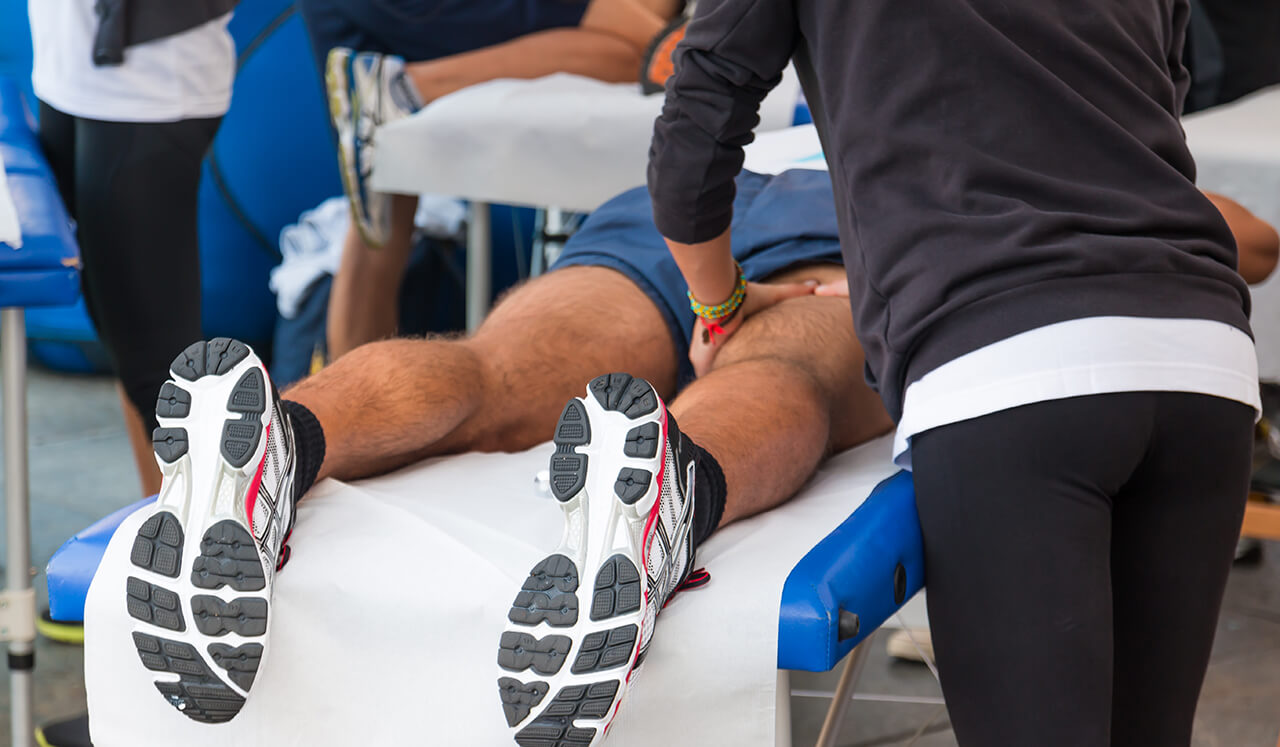
The Role Physical Therapy Plays in Preventing Surgery for Sports-Related Injuries
June 2025 Newsletter
If you’re an athlete or enjoy playing sports, injuries are, unfortunately, a common occurrence. Fortunately, our physical therapists at Rocky Mountain Physical Therapy can help you recover after an injury and avoid the need for surgery in many cases.
Our team can help guide you through the preventive steps you can take to minimize your risk of sports injuries. If you sustain an injury, we’ll identify all the factors related to your injury and address them one by one.
Through our specialized programs, we can help you recover and improve your physical capabilities. We’ll take a holistic approach that fortifies your overall health and improves the skills necessary to maximize your athletic performance.
If you’re an athlete looking to recover after an injury, prevent surgery, and get an edge on the field, court, or weight room, we can help. Our therapist-led programs are designed to help athletes withstand the physical demands of sports more effectively, minimizing the incidence of an injury and the need for surgery.

Tailored Plans After an Injury
If you are trying to avoid surgery and wonder if physical therapy can prevent or delay it, the simple answer is yes!
Most orthopedic-type surgeries are not urgent or emergencies. Although traumatic situations can be emergencies, most times, there is a significant period of time between diagnosis and surgery.
Far too often, people mistake their symptoms for signs to rest or avoid the activities causing them pain. Even more frequent is the number of people who ignore aches and pains, thinking they will go away on their own, only to discover those early warning signs were the body’s signals to get help. Unfortunately, rest, avoidance, and trying to ignore or push through pain only lead to a bigger, often more complex, problem.
At Rocky Mountain Physical Therapy, our physical therapists will weed through your symptoms and identify the root cause of your particular situation. We will give you the tools to prevent, delay, or prepare yourself for surgery.
We’ll guide you through a gradual progression to make sure you are ready to return without any limitations or impairments standing in your way. This cautious approach ensures a safer and more effective recovery process.
Rather than a “one-size-fits-all approach,” we believe every patient is unique and deserves a program tailored to their specific situation and goals. You are not merely treated but are guided towards a pathway of enhanced performance and overall well-being!

What to Expect at Your Physical Therapy Sessions
Rehabilitation should start immediately following most injuries to ensure the fastest recovery possible. One of our physical therapists with sports rehab experience will thoroughly evaluate the athlete to determine the injury’s severity and identify any other weaknesses or limitations that may affect the athlete’s recovery, stability, or strength.
Next, your therapist will create a targeted, individualized plan of care for you to promote accelerated recovery and future injury prevention. Our goal is to minimize the risk of needing surgery, so you get back to training and competing in the sport you love.
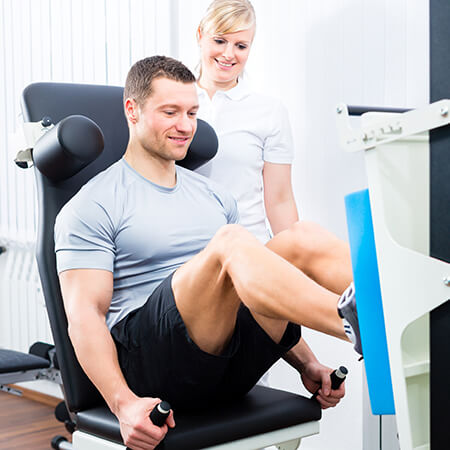
For example, your physical therapist will start with pain management and restoring mobility to the injured area. Next, we will focus on progressing your strength and dynamic stability exercises to restore function and prevent injuries. We will also incorporate balance and coordination exercises to stimulate the nervous system and help ensure you can run, jump, and cut to change direction, land in the correct position, and avoid future injuries.
Physical therapy at Rocky Mountain Physical Therapy will provide the foundation for successful training while reducing future injuries and avoiding surgery!
Considering Physical Therapy? Get Started Today!
Navigating the road to recovery and returning to the sports activities you love can be tricky. Fortunately, our seasoned physical therapists are here to guide you every step of the way. With years of experience working with athletes, we’ve been instrumental in rehabilitating individuals post-injury, helping them avoid surgery and ensuring a smooth transition back to the sports they love.
Whether you’re on the brink of surgery or hoping to prevent it, our therapists will create a program specifically tailored to your unique needs. Reach out to our clinic to learn more!
Patient Success Spotlights

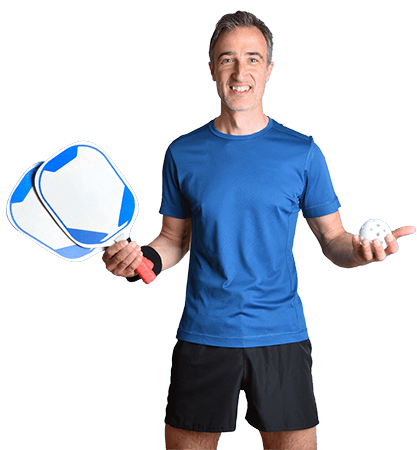
“Top-notch in every respect! This is my third PT experience in the past nine years, all at different providers and, by far, Rocky Mt PT is the best. After my ortho referral, Cannon and Colleen jointly assessed my back and hip pain to likely be caused by a pinched nerve in the lumbar area, and they worked diligently and expertly to relieve the symptoms through specific strengthening exercises and techniques during a 6-week period. Their overall professionalism, dynamic approach, insight, and demeanor made my experience most enjoyable, productive, and successful. They’ve inspired me to proactively continue my home-care regimen and have enabled me (at 80-yr-old!) to get back to pickleball and skiing! As part of this impressive team, Robyn at the Front Desk was always friendly, welcoming, and very accommodating on schedule adjustments. I’ve already recommended these inspirational and talented folks to others!”
—Bill S.
“Conner was attentive, gentle but firm, and worked with my schedule to help me receive the much-needed relief for my pain. Thank you so much for your kind and professional service.”
—Jo M.
“I’m 53 years old and injured my shoulder playing racquetball. This was my first time ever having any physical therapy. I’m amazed at the results and thankful for the care I received at RMPT! Rick was an excellent therapist. He explained how each of the exercises would target and strengthen my bad shoulder, and we identified the exercises that worked the best for me. After just a few weeks of sticking to the exercises I’m back to 100% and pain free.”
—John D.

Stay in the Game, Skip the Pain
The Role of Sports Physical Therapy
Athletes often push their bodies to the limit to achieve their goals. This intense effort, or an unfortunate accident, can sometimes lead to injuries. Fortunately, with the right information and approach, many of these injuries can be avoided or effectively managed through physical therapy.
Here, we explore the most common sports injuries and how physical therapy can be a pivotal player in preventing surgeries.
Common Sports Injuries
First, let’s discuss some of the most frequently encountered sports injuries. One of the main reasons for these injuries includes deceleration incidents, which put immense strain on muscles and ligaments, and sudden changes in direction, which can cause lower body sprains and strains.
In addition, inadequate or improper training methods, including insufficient warm-up and improper technique, elevate the risk of injuries. Overuse injuries (i.e., repetitive stress) frequently occur without proper rest, leading to complications such as tendonitis.
The top sports injuries are:
- Ankle Sprains: Ankle sprains are common in sports involving running and jumping when the ligaments surrounding the ankle are stretched or torn.
- Knee Injuries: Athletes are prone to knee injuries, which can involve damage to ligaments, cartilage, or other structures within the knee joint.
- Shoulder Injuries: These encompass a range of issues, including rotator cuff tears and dislocations, often seen in sports that involve overhead motions like swimming or baseball.
- Fractures: These involve breaks in the bones from a single, forceful incident or stress fractures (caused by repetitive stress).
Our physical therapists can guide you through preventive strategies to reduce your risk of sports injuries and promote a safer athletic environment.
Seek the Right Guidance
Physical therapy plays a significant role in helping athletes avoid surgeries and return to their optimal performance levels. Here’s how:
- Personalized Plans: Our therapists design individualized plans that focus on strengthening the muscles and improving mobility to help prevent future injuries.
- Education and Training: Our therapists educate athletes on the proper techniques, including tips on body mechanics, posture, movement patterns, and preventive measures to avoid injuries.
- Functional Restoration: Physical therapy focuses on restoring the function of injured areas, enabling athletes to return to their sport with a minimized risk of re-injury or need for surgery.
By working closely with our skilled physical therapists, athletes can return to their favorite sports and sidestep any potential surgeries!
Call Rocky Mountain Physical Therapy to schedule a consultation with one of our sports therapists!

.
Feel Better by Eating Better!
Mango Lassi Smoothie!
Bursting with flavor and protein, this mango lassi-inspired smoothie is your go-to fuel for a busy day. Made with sweet frozen mango, rich Greek-style yogurt, and nourishing hemp seeds, it’s a creamy, energizing blend that keeps you satisfied. Enjoy it as a quick breakfast, a post-workout pick-me-up, or a refreshing anytime snack.
Ingredients
- 1 pitted dried date
- 1 cup whole milk
- ¼ cup whole-milk plain strained (Greek-style) yogurt
- 1 cup frozen mango chunks
- ¼ teaspoon ground cardamom
- 1½ tablespoons hulled hemp seeds, divided
Place 1 date, 1 cup milk, ¼ cup yogurt, 1 cup frozen mango, ¼ teaspoon cardamom, and 1 tablespoon hemp seeds in a blender. Process until smooth, about 1 minute, stopping to scrape down sides as needed.
Pour the smoothie into a glass; top with the remaining ½ tablespoon hemp seeds.
Exercise of the Month
CLAMSHELLS (EXERCISE BAND)
Lie on your side with knees bent and a resistance band around your thighs. Keeping feet together, lift your top knee without rotating your hips. Lower slowly and repeat to target the outer hips and glutes.
Meet Our Staff

Dr. Jennifer Bruer Vandeweert
PT, DPT • Regional Director • Clinical Director of Loveland-Orchards

Jamie Schiess
PTA • Manager of Clinical Operations

Julie Swanson
Practice Manager

Aili Breda
Patient Care Coordinator

Brilee Nightengale
Patient Care Coordinator

Christina Skinner
PTA, Clinic Director of Windsor
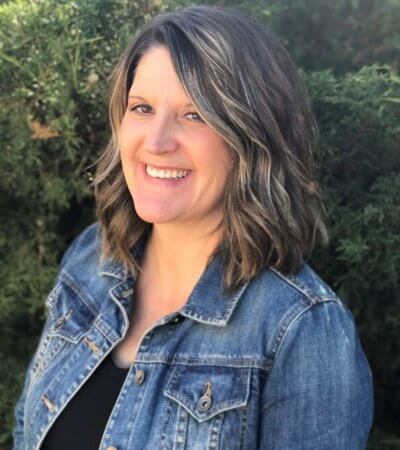
Brandi Thompson
Patient Care Coordinator
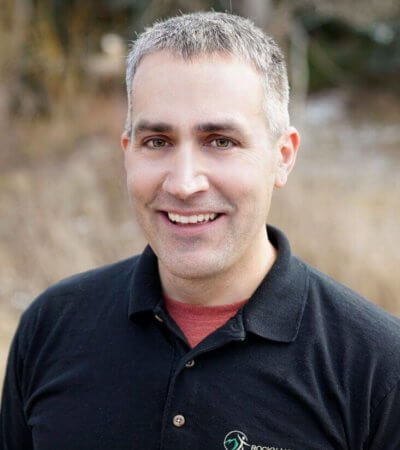

Dr. Tyler Shandra
PT, DPT, CSCS • Clinic Director of South Fort Collins

Dr. Emily Derrera
PT, DPT • Clinic Director of Greeley

Dr. Ian Davis
PT, DPT
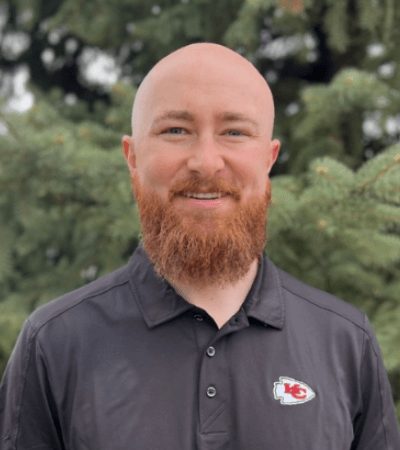
Dr. Connor Hughes
PT, DPT Clinical Director of Central Fort Collins

Nicolette Williams
Patient Care Coordinator

Dr. Amanda Slattery
PT, DPT
Let’s Get You Better ASAP!
Don’t let pain dictate your life. Take the first step towards reclaiming your mobility and well-being with our expert support. Start your journey to a healthier you today.